NHIK Projects
Our projects reflect our mission to enhance health, dignity, and well-being within underserved communities. From sanitary pad distribution programs that promote menstrual hygiene awareness to medical camps that provide essential healthcare services, each initiative is designed to address real needs and bring lasting positive change.
We believe that small, consistent efforts can transform lives and every project we complete brings us closer to that vision.
MENSTRUAL HEALTH CAMPAIGN
1. Introduction
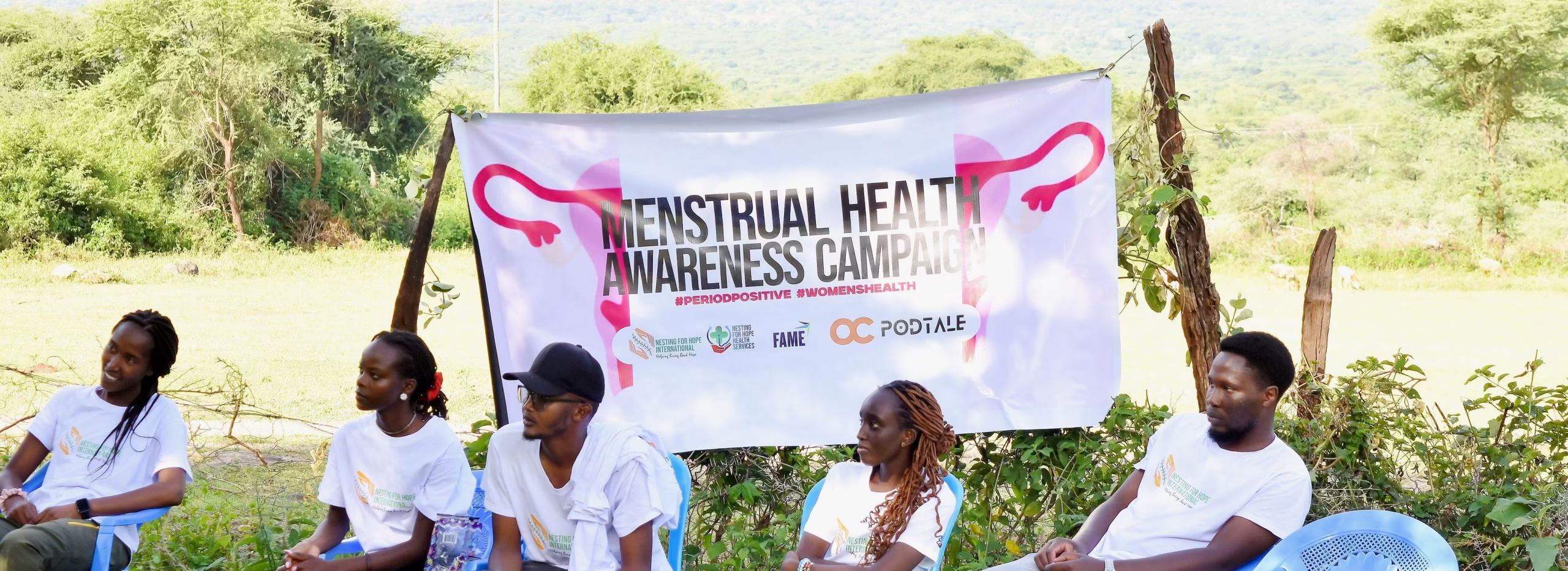
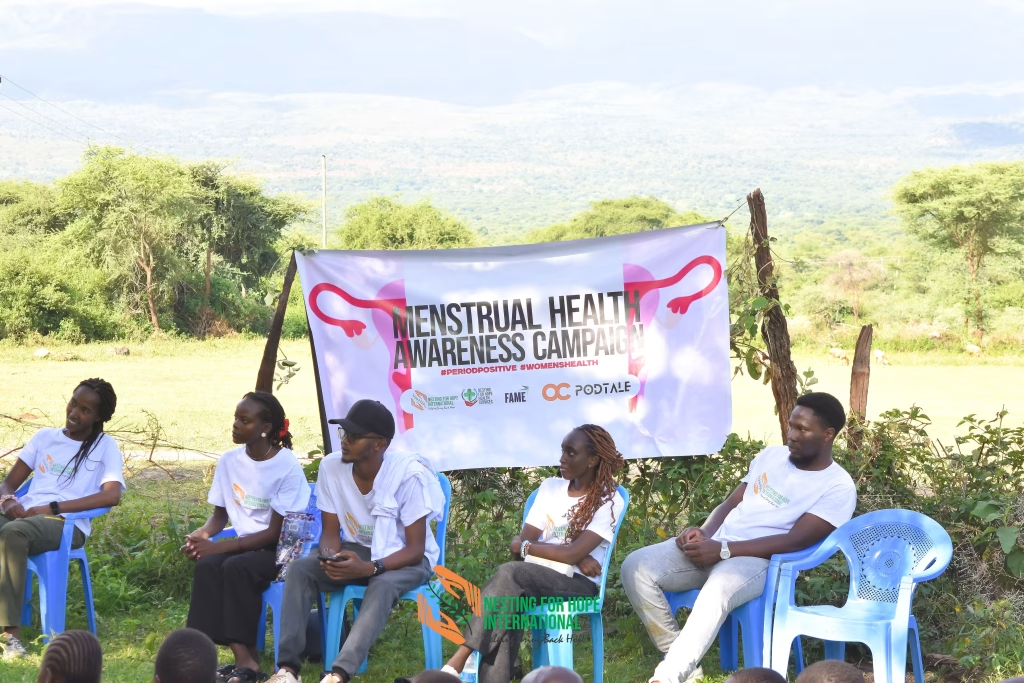
In May – June 2025, Nesting for Hope successfully implemented a menstrual health awareness campaign across the Kerio Valley region of Keiyo South, Kenya. The initiative aimed to address menstrual stigma, support menstrual dignity, and improve health outcomes among adolescent girls and women in underserved communities.
This report provides an overview of the campaign’s objectives, execution, outcomes, and partnerships.
2. Campaign Objectives
The primary goals of the campaign were to:
- Educate girls and women on menstrual hygiene management (MHM)
- Distribute reusable menstrual pads to promote sustainable health practices
- Engage the community in open discussions to reduce menstrual stigma
- Reach schools and rural communities with limited access to menstrual products
3. Key Partnerships
The campaign was made possible through the donation of reusable menstrual pads by FAME, an American-based organization committed to supporting women’s health and education in underserved communities. The pads were designed to last for several months, offering a safe and sustainable solution to period poverty.
We also partnered with local organizations such as Obbie Concepts a company that deals in design and branding they were able to provide design for our t shirts, banners and flyers.
We also partnered with Podtale podcast that was our number one provider for volunteers who helped in teaching the children and distribution of the pads.
4. Implementation and Activities
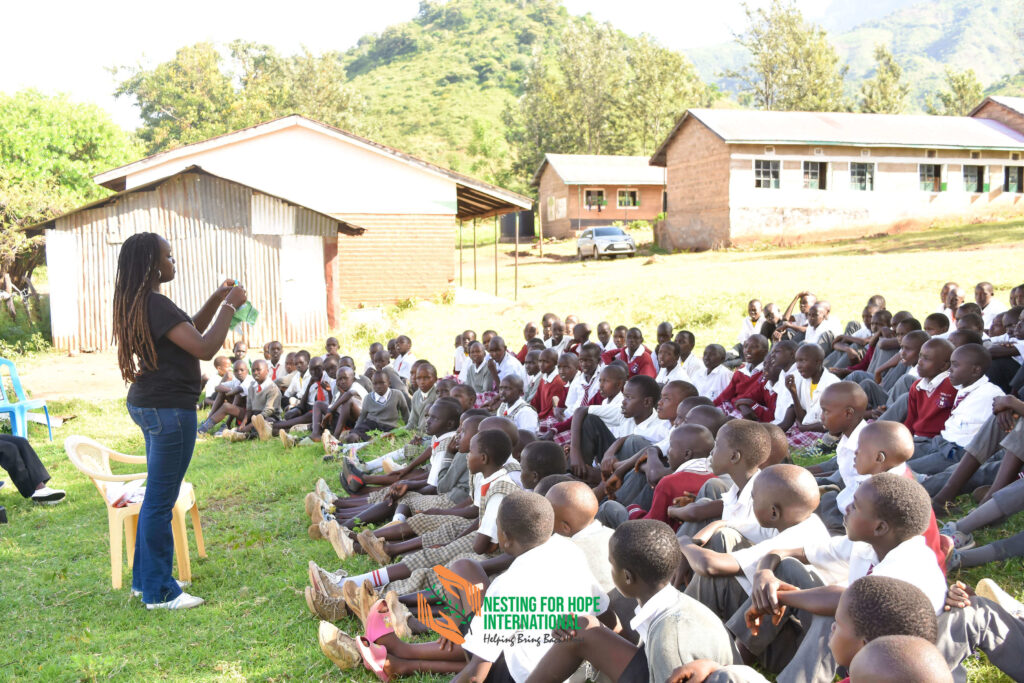
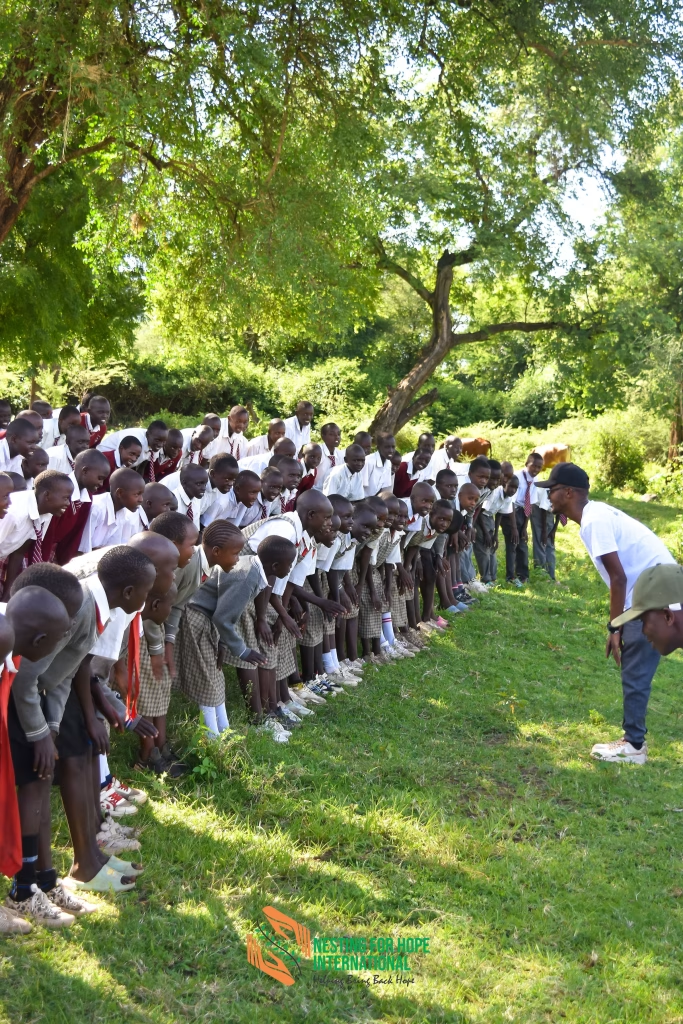
The menstrual health campaign was carried out in two phases: School Outreach. We visited three schools within the Kerio Valley region, which are
- Muskut Primary School.
- Kapsoo Primary School.
- Menone Primary School.
And through these school visits we were able to have:
- Interactive educational sessions on menstrual cycles, hygiene, and reproductive health
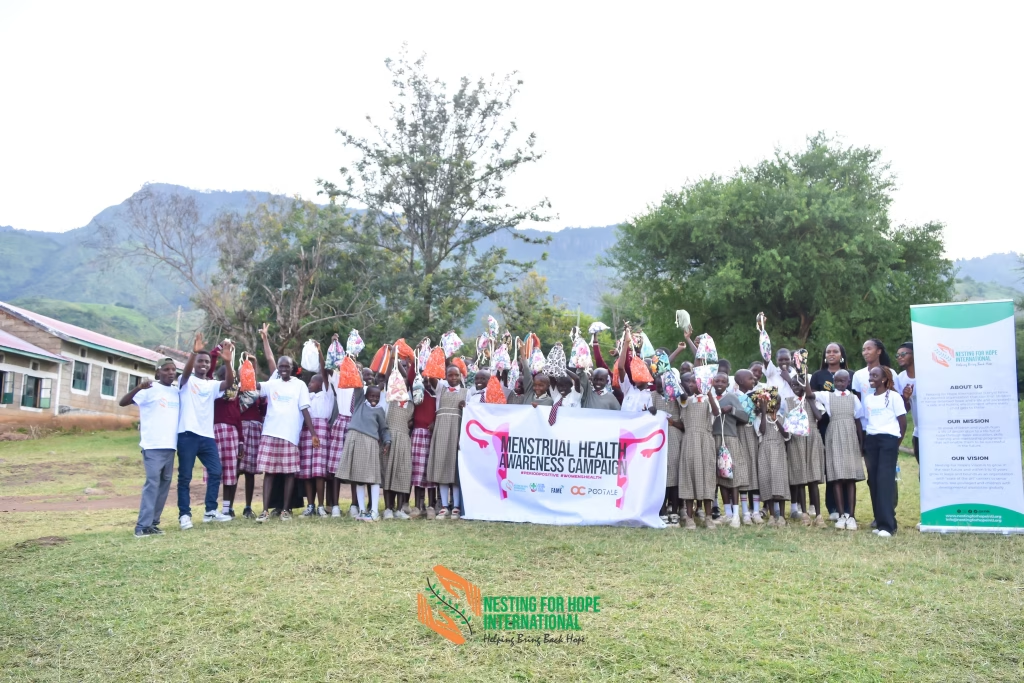
- Distribution of reusable pads to upper primary girls, female teachers and female support staff in the schools.
- Empowerment talks led by female health workers and Nesting for Hope volunteers.
- Medical Camp Distribution
The campaign extended into the Nesting for Hope Medical Camp, enabling us to further distribute pads to:
- Women of reproductive age attending the camp for treatment or health services
- Teenage girls who were not in school due to menstruation-related challenges
In total, over 400 reusable menstrual pad kits were distributed across the schools and the medical camp.
5. Impact and Feedback
The campaign had a significant impact, with girls and women expressing relief, confidence, and gratitude for the reusable pads and the educational support. Teachers and caregivers also commended the approach to menstrual education, noting its positive effect on school attendance and engagement.
“Now I don’t have to miss school or feel embarrassed. The lessons helped me a lot, and I feel more confident.”
— Student, Kapsoo Primary School
6. Challenges and Lessons Learned
- Cultural Sensitivity: Some initial resistance was encountered due to cultural taboos around discussing menstruation openly. Community involvement eased this barrier.
- Transport and Accessibility: Poor road infrastructure limited access to some areas, emphasizing the need for stronger local partnerships and planning.
7. Conclusion and Next Steps
The May-June 2025 menstrual health campaign affirmed the urgent need for sustained menstrual health education and access to products in Kerio Valley. Nesting for Hope plans to:
- Establish recurring menstrual health workshops in schools and community centers
- Expand partnerships for increased donation of reusable pads and also training of women on how to make the pads here in Kenya so that we do not have to depend on foreign donations.
- Include menstrual health sessions in all future medical outreach events
Nesting for Hope remains committed to empowering women and girls and advocating for menstrual equity in underserved communities.
KERIO VALLEY FREE MEDICAL CAMP
1. Introduction
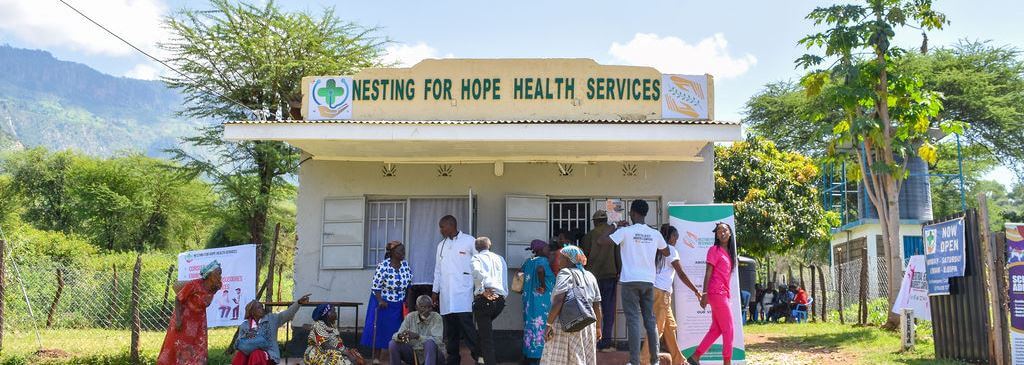
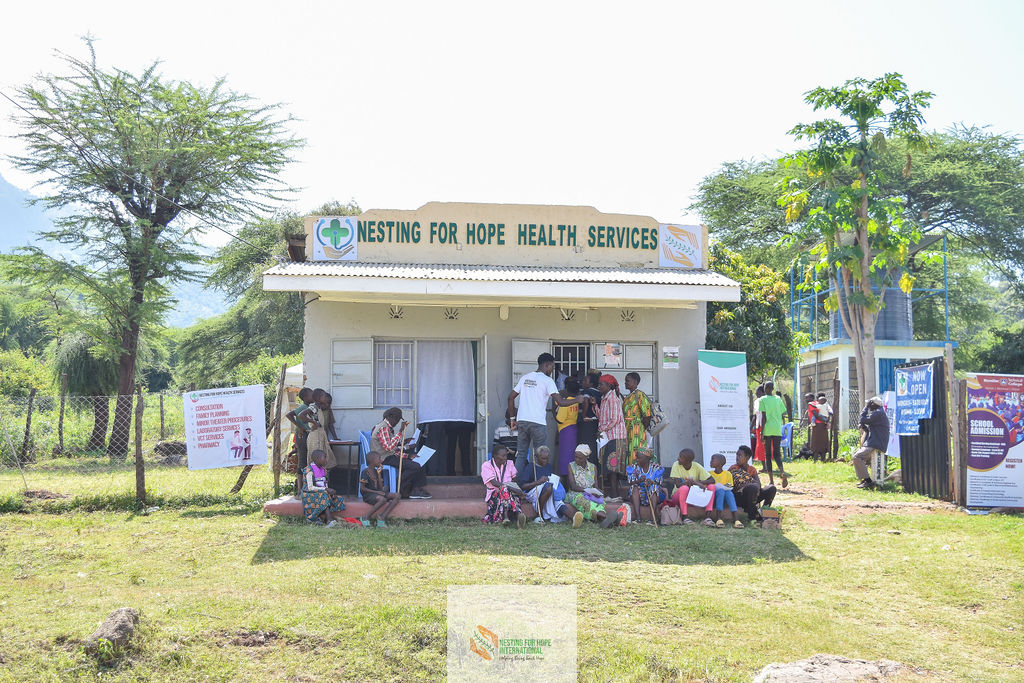
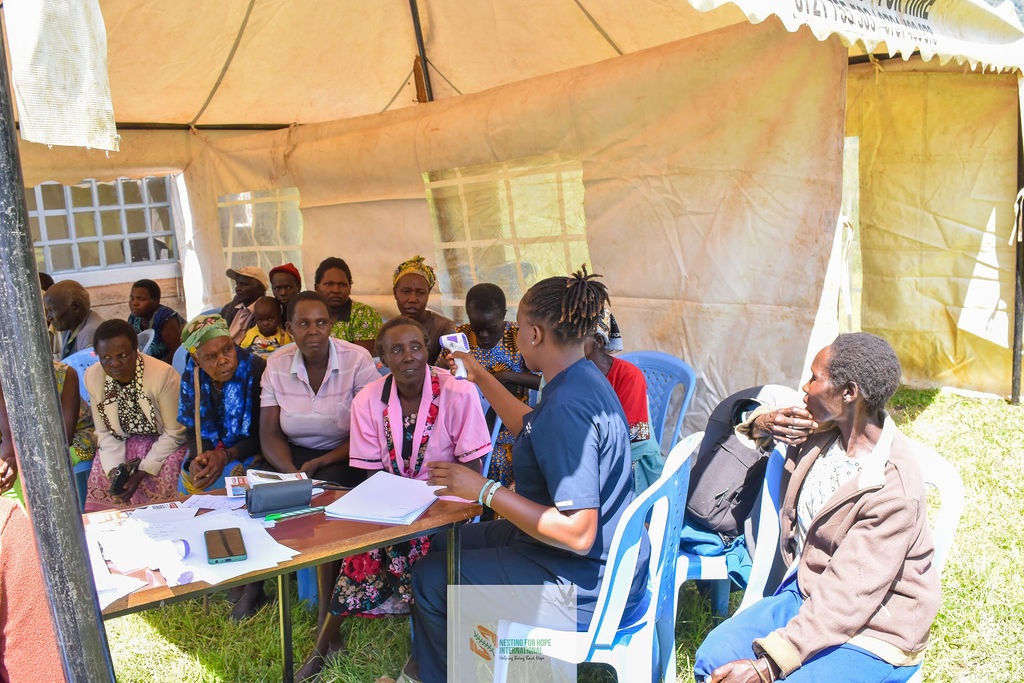
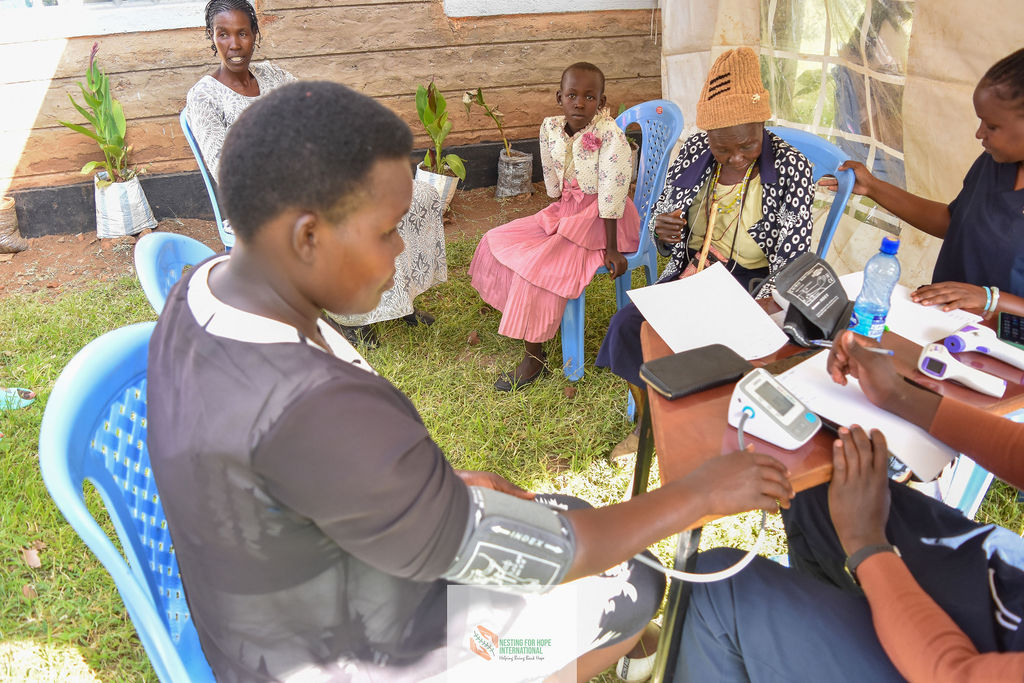
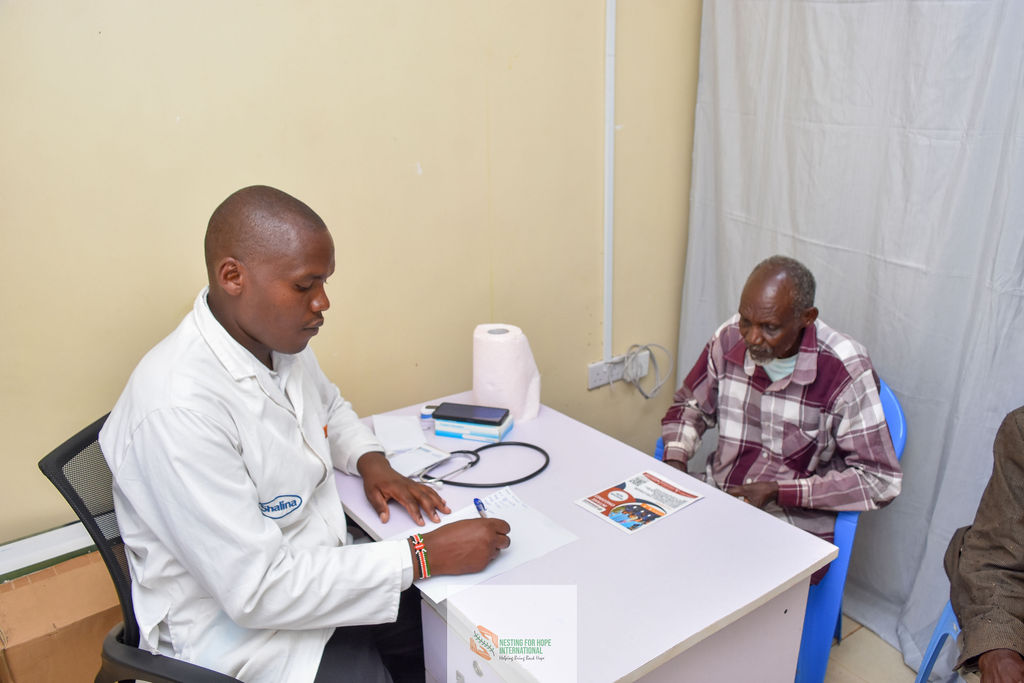
Nesting for Hope hosted a free medical camp in Sego, Kerio Valley, in June 2025. The camp was organized to provide essential healthcare services to the underserved community in Sego, especially children, women, and elderly persons who lack access to regular medical care due to poor infrastructure, poverty, and geographical isolation.
This initiative also strengthened our ongoing mission to improve health outcomes while addressing cultural and social barriers around health and hygiene.
2. Campaign Objectives
- Provide free medical consultations, screenings, and treatments
- Address common and chronic diseases affecting the community
- Offer education on maternal, child, and reproductive health
- Support local women and girls through menstrual dignity initiatives
- Collect health data to enable future follow-ups and planning
3. Services Provided
| General Consultations | Diagnosis, minor treatments, basic referrals | 282 |
| Maternal & Child Health | ANC checks, child nutrition screening, immunizations | 47 |
| Pharmacy & Medication Dispensed | Deworming, painkillers, antibiotics, supplements | 244 |
| Reusable Pad Distribution | Eco-friendly menstrual pad kits donated by FAME (USA) | 120 kits |
| Health Education Sessions | Topics: hygiene, nutrition, SRHR, malaria prevention | 5 sessions |
4. Reusable Pad Distribution
As part of our commitment to menstrual dignity and education, Nesting for Hope distributed 120 reusable menstrual pad kits donated by FAME (USA). These kits were given to girls over 10 years old, young mothers, and women of reproductive age attending the medical camp.
- Number of pad kits distributed: 120
- Target group: Adolescent girls (10–19) and women (20–45)
- Impact: Improved school attendance, reduced shame and stress during menstruation, introduced long-term hygienic practices
5. Attendance Overview
- Total beneficiaries: 573
- Women and girls: 309
- Men: 190
- Children (under 12): 74
6. Key Outcomes & Impact
- Increased access to free quality healthcare for families in remote villages
- Clinical identification and support of untreated chronic illnesses such as hypertension and arthritis
- Empowerment of adolescent girls through menstrual hygiene education and pad distribution
- Strengthened trust and collaboration with local leaders and health officers
- Improved community awareness on respiratory disease prevention and personal hygiene
7. Challenges Encountered
- Poor road conditions during the rainy season delayed equipment and medicine delivery
- High turnout resulted in long waiting times for services
- Lack of sufficient medication and medical equipments
8. Recommendations & Next Steps
- Organize quarterly follow-up camps with more specialized services
- Increase reusable pad supply to support surrounding schools and villages
- Partner with dental and eye specialists for future camps
- Introduce a mobile health registry to track chronic patients over time
9. Acknowledgments
We extend our heartfelt appreciation to:
- FAME (USA) for the generous donation of reusable menstrual pads.
- The Keiyo South Sub-County Health Office for logistical support.
- Our volunteer from the Podtale Podcast community, nurses, doctors, and students from the Macmillan Medical Training Collage for their service and compassion.
- Local leaders and community mobilizers for helping us reach the most vulnerable